


Buying a pre-owned yacht can be an excellent way to enter the world of yachting with a more affordable investment than a new one. However, this decision also carries certain risks if the proper precautions are not taken. From hidden structural problems to incomplete documentation, a poorly managed purchase can turn into a floating nightmare.
In this comprehensive guide, we'll walk you through the steps to buy a used yacht without any surprises , with practical recommendations for making a safe and well-informed decision.
1. Define your needs and budget
Before you start searching, you should be very clear about what you will use the yacht for :
-
Will you use it for day trips or long journeys?
-
How many people do you plan to bring regularly?
-
Are you more interested in speed or comfort?
-
Are you willing to invest in maintenance or do you prefer something ready to sail?
Also define your total budget, including:
-
Yacht price
-
Inspection costs
-
Registration and documentation
-
Transportation or transfer
-
First adjustments or repairs
-
Nautical insurance
You may also be interested in: Boat for sale in Colombia
2. Research reliable models and brands
Not all yachts age equally. Some shipyards have a better reputation than others for durability, ease of maintenance, and quality of materials.
Tip : Focus on brands with a good track record and parts availability. Look for reviews, forums, and opinions from current owners.
3. Check the legal documentation
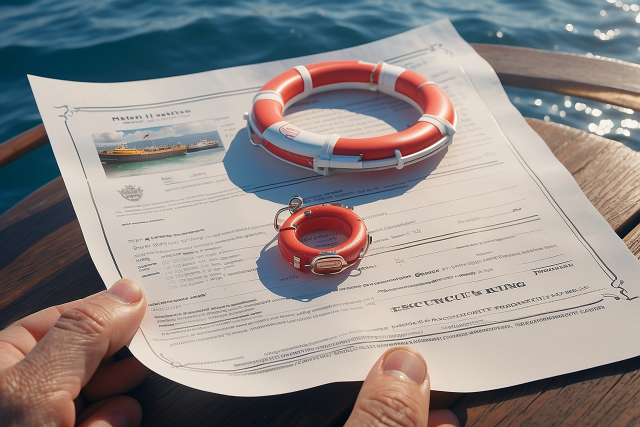
One of the main sources of problems when purchasing a used yacht is incomplete or irregular documentation . Be sure to check:
-
Title deed (or equivalent document depending on the country)
-
Ownership History
-
Current maritime registry
-
Tax payment receipts
-
Navigation permits and technical certificates
If the yacht is coming from abroad, check if you need to pay import duties or comply with local regulations.
4. Technical inspection (nautical survey)
Never buy a used yacht without a professional inspection.
A certified nautical surveyor will be able to detect problems not visible to the naked eye, such as:
-
Osmosis in the hull
-
Corrosion in metals
-
Leaks in the hydraulic system
-
Engine or generator problems
-
Outdated or unsafe electrical system
It should also include:
-
Water test (sailing)
-
Dry hull inspection (in dry dock)
-
Evaluation of sails, masts (if it is a sailboat)
-
Analysis of the interior condition (tanks, kitchen, bathrooms)
The technical report will give you an objective basis for negotiating the price or rejecting the purchase if the problems are serious.
5. Check the status of the engines and systems
The engine(s) is the heart of the yacht . Repairing or replacing them can be expensive, so make sure you:
-
Check the number of hours of use (but don't rely on that alone)
-
Check that it starts correctly when cold and hot
-
Check for oil, fuel, or water leaks
-
Analyze abnormal noises, vibrations, or smoke
-
Confirm that maintenance is recorded (maintenance book)
It also examines the electrical system , batteries, generators, inverters and other critical components.
You may also be interested in: Yacht for sale in Cartagena
6. Negotiation and sales contract
With the inspection completed and the documentation verified, you're ready to negotiate. You can:
-
Ask for a discount for each defect found
-
Negotiate pre-delivery improvements
-
Include after-sales warranty clauses (if you buy from a company)
Always formalize the sale with a detailed contract , which includes:
-
Buyer and seller data
-
Full description of the yacht
-
Final agreed price
-
Method of payment
-
Condition in which the ship is delivered
-
Declaration that you are free of debt or liens
7. Plan transportation and start-up
Is the yacht in another port, city, or country? You'll need to arrange transportation or sailing to your destination. It's also recommended:
-
Perform a thorough cleaning and inspection before use.
-
Change filters, oils and check propellers
-
Install safety equipment (vests, flares, fire extinguishers, etc.)
8. Insure your yacht
Look for nautical insurance that covers:
-
Own and third party damages
-
Theft, fire, sinking
-
Civil liability
-
Assistance at sea
Tip : Some insurers require a technical inspection to issue the policy.
You may also be interested in: The most common mistakes when buying a boat and how to avoid them
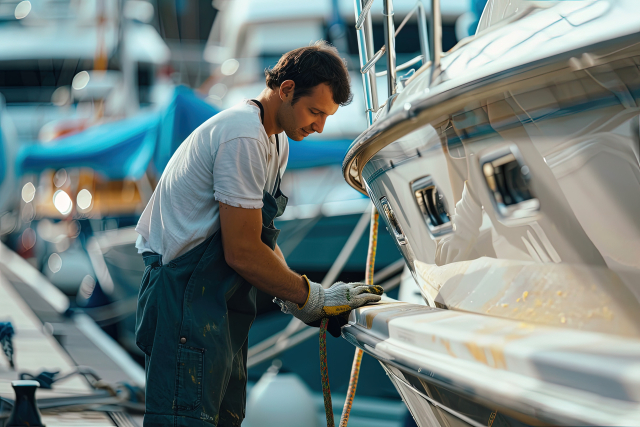
9. Schedule your regular maintenance
Even a used yacht in excellent condition will require periodic maintenance:
-
Cleaning the hull and propellers
-
Oil and filter changes
-
Review of the electrical system and pumps
-
Anticorrosive protection
-
Annual engine inspection
Keeping a maintenance record will help preserve the value of your yacht and facilitate future resale.
Buying a used yacht can be an exciting and profitable experience if done with a cool head and good advice. Remember that this type of investment is not just measured in money, but also in time, care, and responsibility .
A proper inspection, proper documentation, and smart negotiation are the keys to ensuring your yacht not only sails well, but also provides pleasure—not trouble—for many years to come.
We invite you to take a look at other articles at: https://yate.co/en/blog