

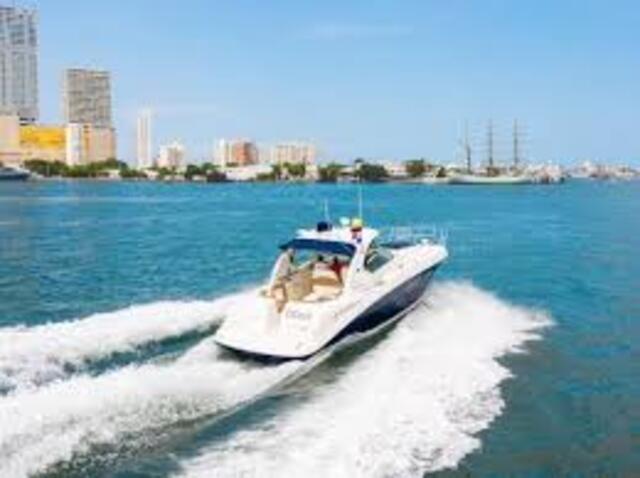
Buying a used yacht can be an exciting experience, but it also involves certain risks if the proper precautions aren't taken. Unlike a car or motorcycle, a yacht combines mechanics, electronics, navigation systems, and legal aspects that require a detailed review before making the purchase decision. Therefore, knowing what to consider when purchasing a used yacht is essential to protecting your investment and ensuring you enjoy your vessel without unpleasant surprises.
The pre-owned yacht market offers many opportunities: from well-maintained vessels with everything in order, to boats that may hide costly breakdowns or legal issues. This is where preparation and proper advice come into play, as every detail can make the difference between a wise purchase or a significant loss of money.
Another key point is that yachts, over time, require constant maintenance. A boat may look in good condition on the outside, but have engine failures, moisture in the cabin, or even incomplete documentation that prevents it from legally sailing. Therefore, thoroughly reviewing every technical and administrative aspect is just as important as paying attention to aesthetics.
In this guide, I share the most important factors to consider before finalizing the purchase of a used yacht. From the physical and technical inspection, to the legal documentation, to future maintenance costs, you'll have a clear view so your investment is safe, profitable, and enjoyable for many years.
You may also be interested in:Guide to selling your yacht
Review of the physical and technical condition of the yacht
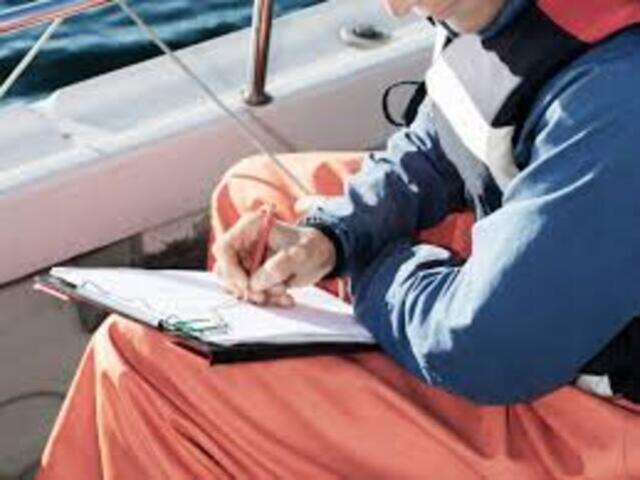
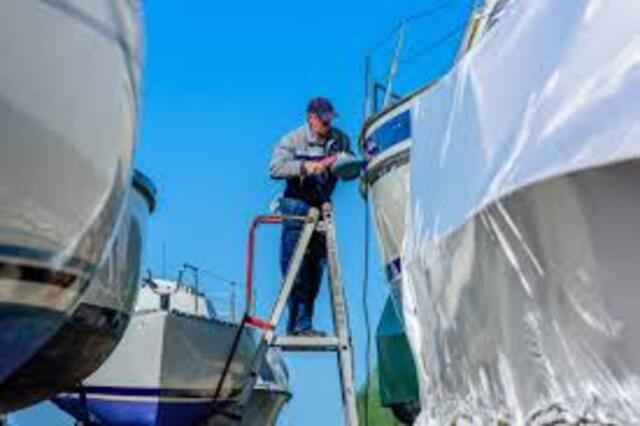
Before getting carried away by appearance, it's vital to conduct a thorough inspection of the hull, deck, cabin, and interior. Look for signs of rust, cracks, poorly done repairs, or water leaks. These details, while seemingly minor, can turn into serious and costly problems down the road.
The engine and mechanical systems
The engine is the heart of the yacht. Be sure to check its maintenance history, number of hours of use, and any oil or coolant leaks. Also, check auxiliary systems such as generators, bilge pumps, and air conditioning, as a failure in any of these can affect the onboard experience.
Navigation and safety equipment
Another key point is the condition of the navigation equipment: GPS, radar, VHF radio, and autopilot. Also, check that the yacht has life jackets, flares, and fire extinguishers in order. It's not just about complying with regulations, but also ensuring safety at all times.
You may also be interested in: Is it better to buy a yacht in Colombia or Mexico?
The importance of documentation
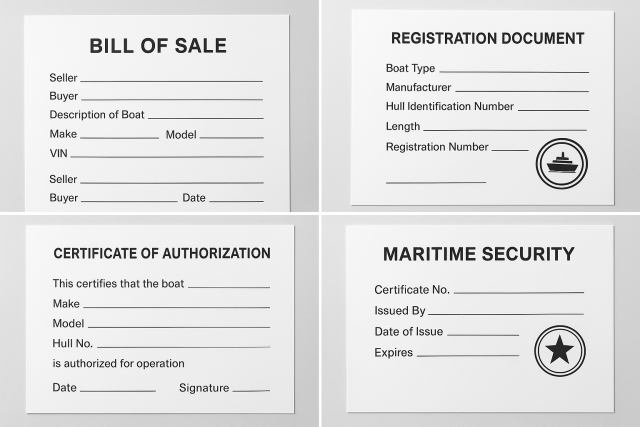
A yacht isn't just a boat; it's also an asset with legal implications. Before closing the purchase, make sure the seller has the necessary documentation: title, navigation certificates, and maritime safety certificates.
Also, make sure there are no outstanding debts, liens, or legal issues associated with the boat. Otherwise, you could find yourself facing endless paperwork and additional expenses that will affect your investment.
Hidden costs and future maintenance
Buying a used yacht doesn't mean the expense ends at the moment of purchase. It's essential to calculate the costs of annual maintenance, dockage, insurance, and fuel. In many cases, these expenses far exceed the purchase price, so they should be part of your budget from the start.
Professional inspection
To avoid surprises, it's best to hire a marine expert to perform a detailed inspection. This expert can identify hidden problems that aren't immediately apparent and provide you with a comprehensive technical report to help you negotiate a better price.
You may also be interested in: Documentation and procedures for buying a boat
Tips for negotiating a purchase
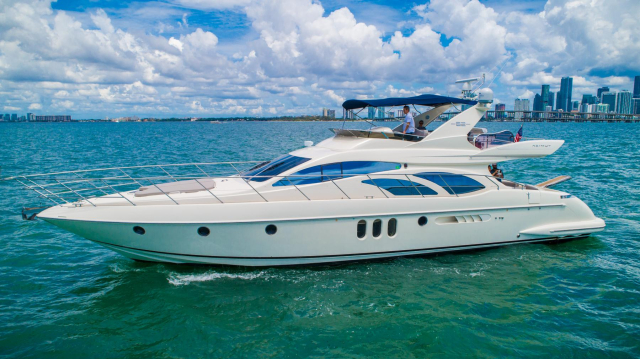
Once you have all the information about the yacht's condition and documentation, you'll be in a better position to negotiate. Don't get carried away by emotion and use the inspection results as arguments to obtain a fairer price.
It's also advisable to compare several models and sellers before making a decision, as the used yacht market is very diverse and there's always the possibility of finding a more convenient option.
Additional factors to consider
- Previous use of the yacht: A boat used only for family outings is not the same as one intended for charter, which suffers greater wear and tear.
- Available spare parts: Check if the make and model still has readily available parts.
- Sailing test: Before purchasing, ask for a trip to sea to check the boat's actual performance.
- Aesthetics and comfort: While technical aspects are most important, interior design and comfort also influence your long-term satisfaction.
You may also be interested in: New boats vs. used boats
Frequently Asked Questions
1. Is it safe to buy a used yacht?
Yes, as long as a full inspection is performed and the documentation is verified as valid.
2. How much does it cost to maintain a used yacht?
It depends on the size and model, but on average it can represent between 10% and 15% of the annual purchase value.
3. Is it mandatory to take a navigation test?
It is not mandatory, but it is highly recommended to check the actual condition of the yacht under operating conditions.
4. What documentation should I review when purchasing a used yacht?
Title to the property, navigation certificates, safety inspections, and absence of debts or liens.
5. Is it better to buy a yacht from a shipyard or from a private individual?
Both options are valid, but shipyards usually offer more guarantees and prior inspections.
We invite you to take a look at other articles at: https://yate.co/en/blog