

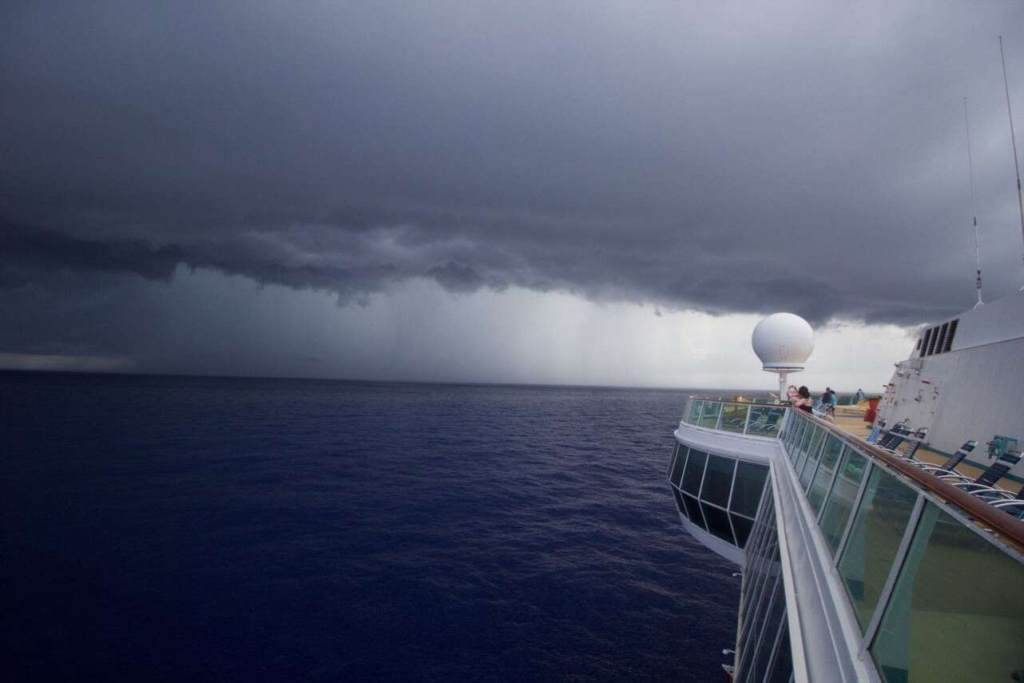
Sailing is an unparalleled experience, whether for pleasure, sport, or work. However, the weather is a determining factor that cannot be overlooked. One of the most common questions among novice and experienced sailors is whether it's safe or advisable to go sailing if it's raining. The answer isn't as simple as yes or no, as it depends on several factors, which we'll analyze in this article.
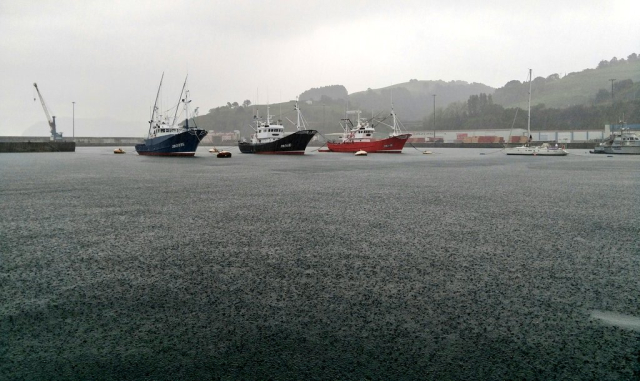
In light rain, with good visibility and no strong winds, it is possible to continue sailing with additional precautions. In fact, many boats are designed to withstand adverse weather conditions. However, what truly determines the risk is not just the rain itself, but its intensity, the presence of thunderstorms, visibility, and sea conditions.
Sailing in the rain means considering not only the safety of the boat, but also the preparation and experience of the crew. Wet conditions can affect navigation equipment, reduce grip on slippery surfaces, and cause discomfort, so having the proper gear is crucial. In addition, heavy rain can hide other hazards such as rocks, buoys, or nearby boats.
It's vital to differentiate between a passing drizzle and a full-blown storm. While the former may only require a raincoat and extra vigilance, the latter could pose a serious risk to the safety of the boat and its occupants. Therefore, checking the weather forecast before setting sail is essential.
In this article, we'll cover the main factors that determine whether it's safe to sail in the rain, how to properly prepare, what precautions to take, and when it's best to cancel your trip. If you're wondering whether you can sail in the rain, you'll find all the answers here to help you make an informed decision.
You may also be interested in: Night Navigation
What factors should you consider before sailing in the rain?
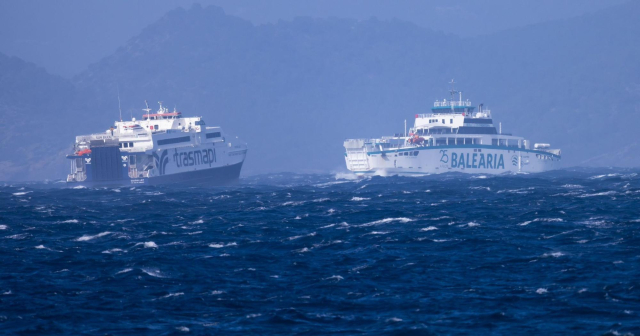
Sailing in the rain requires a careful assessment of multiple factors. The first is the type and intensity of the rain . A light drizzle is generally safe, but a thunderstorm or heavy rain with gusty winds can pose a high risk.
Another important aspect is visibility . Dense rain can drastically reduce visibility, making coastal navigation, identifying maritime signals, and detecting other vessels difficult. Furthermore, wave and wind conditions can deteriorate rapidly during a storm, even if there is no heavy rain initially.
Therefore, consulting reliable marine weather forecast sources such as Windy, MeteoBlue, or nautical apps like Navionics is essential before setting sail. These tools provide data on rainfall, gusts, waves, and more, helping you make more confident decisions.
You may also be interested in: Vloggers to learn about the nautical world
Necessary equipment for sailing in the rain
To cope with rain during a voyage, it's essential to have the right equipment. Wearing waterproof and thermal clothing , non-slip boots, and waterproof gloves ensures the crew's comfort and safety. It's also recommended to have the following on board:
-
Waterproof cases for electronic devices.
-
GPS and updated nautical charts.
-
Flashlights with extra battery.
-
VHF radio system operational.
-
Dry first aid kit.
-
It is also advisable to have a bilge pump in good condition and check that the boat's drainage systems are working properly to prevent water accumulation.
You may also be interested in: Maritime Rescue Services
Tips for safe sailing in the rain
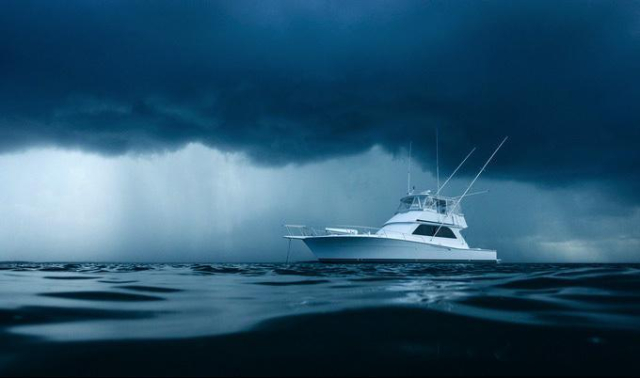
If you decide to sail in rainy conditions, follow these recommendations:
-
Reduce speed to maintain better control and reaction.
-
Increase visual and instrument surveillance.
-
Avoid unknown or shallow areas.
-
Stay away from areas with thunderstorms.
-
Always have a planned escape or return route.
A recommended practice is to maintain constant communication with nearby ports or Coast Guard stations, especially if weather conditions are expected to worsen.
You may also be interested in: Boat fires
When is it best not to go sailing?
There are situations where sailing in the rain is not advisable . These include:
-
Presence of thunderstorms on radar or forecast.
-
Bad weather warnings (strong winds, dangerous waves).
-
Inexperienced crew or crew without adequate equipment.
-
Navigation in dangerous or unfamiliar areas.
Caution is key when sailing. When in doubt, it's always better to postpone departure and prioritize safety.
Sailing in the rain can be possible and even enjoyable if the right precautions are taken. The key is to be prepared with reliable information, appropriate equipment, and a realistic assessment of the conditions. Not all types of rain pose a danger, but the power of the sea should not be underestimated either. With common sense and planning, sailing can be enjoyable even under the rainy sky.
You may also be interested in: Boat Safety During Hurricane Season
Frequently Asked Questions
Is it dangerous to sail in the rain?
It depends on the intensity, visibility, and presence of thunderstorms. Light drizzle is generally not dangerous if precautions are taken.
What to do if it starts to rain while sailing?
Reduce speed, activate navigation lights, protect electronic equipment, and constantly monitor the weather.
Can I use a small boat if it's raining?
Only if the rain is light, the sea is calm, and the boat is equipped with life jackets, a bailout, and communication equipment.
Does rain affect navigation equipment?
Yes, if they're not properly protected. Use waterproof cases and avoid prolonged exposure to water.
What signs indicate that I should return to port?
Reduced visibility, thunder, lightning, sudden drops in temperature or the appearance of strong waves.
We invite you to take a look at other articles at: https://yate.co/en/blog