

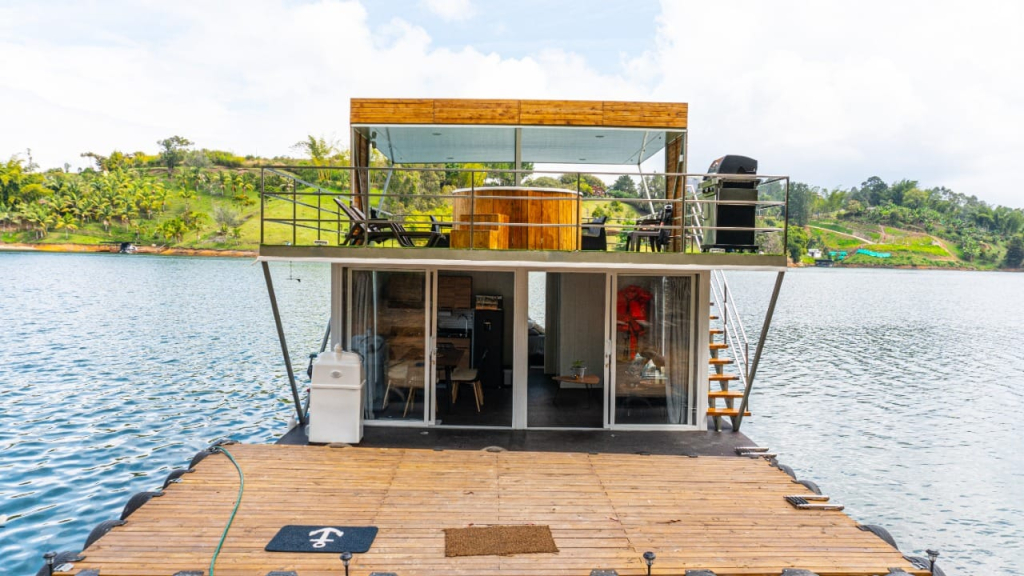
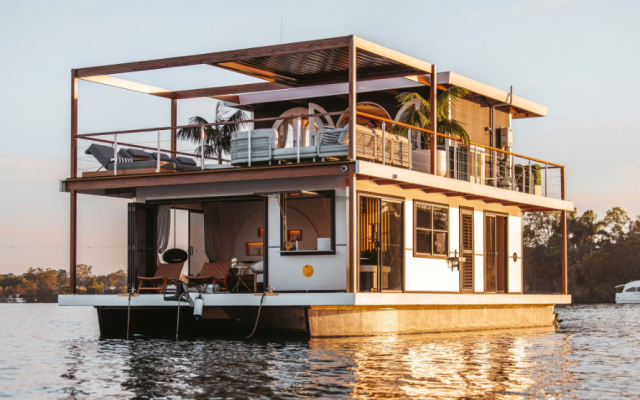
Living on the water is no longer just a romantic fantasy from novels or movies: it's a growing reality in many European cities. Houseboats are gaining ground as a housing alternative, sustainable tourism, and even a peaceful retreat. This trend combines a nautical lifestyle with urban comfort, giving rise to a way of living that blends freedom, connection with nature, and mobility.
In countries like the Netherlands, Germany, France, and the United Kingdom, hundreds of people have swapped concrete for the flow of water. Coastal cities, urban canals, and navigable rivers have fostered the development of floating communities that challenge the traditional idea of a home. Beyond their attractive aesthetic, houseboats represent a minimalist, sustainable, and highly personalized philosophy of living.
This lifestyle has captured the attention of young professionals, digital nomads, artists, and retirees seeking peace without sacrificing the essentials. But it has also brought legal, infrastructure, and living conditions challenges worth knowing about. What permits are required to live on a boat? What are the real benefits and limitations?
In this article, we take you on an in-depth look at life on board, analyzing European cities where this trend is most established, its legal aspects, pros and cons, and the reasons behind the growing global interest in turning a boat into a home.
You may also be interested in: What to consider when buying a used yacht
European cities where living on board is a trend
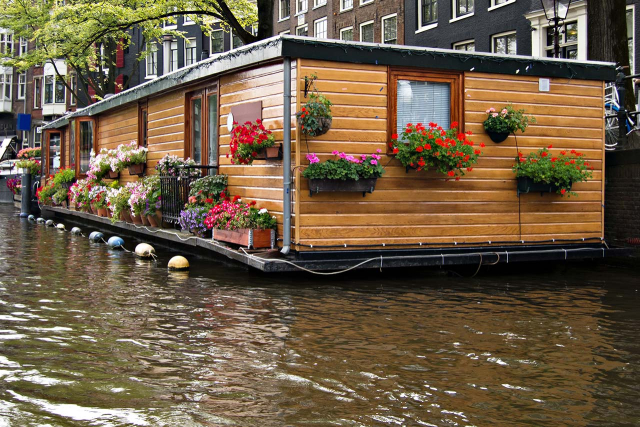
Europe is the modern epicenter of the houseboat movement, with cities that have legally and urbanly adapted this housing alternative:
Amsterdam, Netherlands
It's the ultimate icon. The Dutch capital has more than 2,500 houseboats registered on its canals. Most are connected to the electricity grid, drinking water, and sewage services, making them fully functional homes. Mooring permits are limited and expensive, making these properties highly valuable real estate assets.
Berlin and Hamburg, Germany
In German cities, especially Berlin, the Spree and its surrounding lakes are home to a growing community of houseboats. Although the legal framework is stricter, urban projects promoting "floating colonies" with an ecological focus have emerged.
Paris and Lyon, France
The Seine and Rhône have also seen an increase in these homes. In France, boats must be registered as "péniche" and meet safety standards similar to those of land-based homes. It's common to see old boats restored as boutique homes.
London, United Kingdom
The Thames and inland canals have attracted residents who, due to the city's high real estate costs, opt for boats as an affordable option. Boating licenses and moorings regulated by the Canal & River Trust are required. Many people live semi-itinerant lives, cruising every few weeks.
You may also be interested in: How to budget for a day on a yacht
Permits and requirements for owning a houseboat
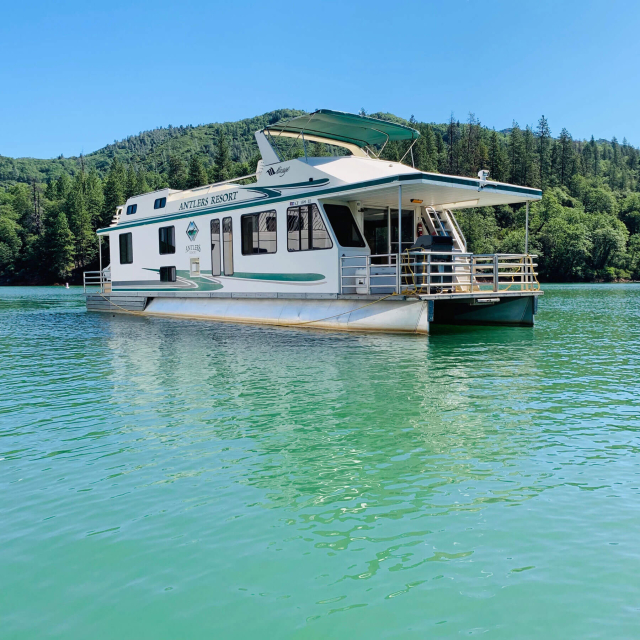
Living on a houseboat isn't as simple as buying a boat and dropping anchor. Requirements vary by country and city:
- Maritime or river registration: The boat must be registered as a recreational vessel or floating home.
- Mooring license: In most European countries, it is necessary to have a permanent or mobile mooring authorized by a port authority.
- Utility Connections: Some houseboats are fully self-contained, but many require a connection to the electricity grid, potable water, and sewage disposal, which must comply with urban regulations.
- Technical inspections: Just like with traditional homes, some cities require certifications of habitability, structural safety, and fire safety measures.
Benefits of living on a houseboat
- Connection with nature: Waking up overlooking the water and listening to the waves is an incomparable emotional luxury.
- Minimalist lifestyle: Limited space encourages a more conscious, non-excessive life.
- Mobility: In some cases, you can move your home to another location without moving.
- Floating community: Many cities have social networks and events among nautical residents.
- Alternative tourism: Many houseboats operate as unique accommodations on platforms like Airbnb.
You may also be interested in: How to choose the ideal boat according to your type of plan
Challenges of life on board
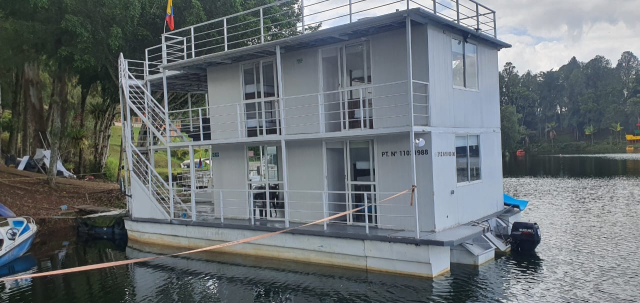
- Hidden costs: Boat maintenance can be expensive, as can specific insurance.
- Legal restrictions: Not all canals or rivers allow permanent living on board.
- Weather Conditions: In winter, the cold and humidity can be challenging without proper insulation.
- Limited space: Not ideal for large families or people who need a lot of storage.
- Accessibility: Getting on and off the boat can be difficult for elderly or people with reduced mobility.
Is this trend growing?
Yes. According to data from the European Boating Industry , the increase in houseboat registrations has grown by 12% annually over the last decade in countries such as the Netherlands, Germany, and the United Kingdom. Additionally, platforms such as Booking and Airbnb have reported a 30% increase in searches for floating accommodations, reinforcing the tourist appeal and investment potential of this lifestyle.
You may also be interested in: The best luxury yachts: the latest in elegance, technology, and sustainability
Some questions and answers
Can I legally live on a houseboat in any European city?
No. It depends on local regulations and the availability of authorized moorings. Each city has its own specific regulations.
How much does it cost to live on a houseboat in Europe?
Prices vary. In Amsterdam, a houseboat can cost between €300,000 and €800,000. In Berlin or London, prices are more affordable but depend on the type of boat, mooring, and location.
Is it necessary to have a license to sail a houseboat?
Yes, if you plan to move it. Most boats require a boating license, especially if they use motors.
Can I rent a houseboat as a tourist?
Yes. There are multiple rental options on platforms like Airbnb or specialized sites, especially in Amsterdam, Paris, and Berlin.
What maintenance does a houseboat require?
Hull cleaning, engine checks (if applicable), insulation, electrical and plumbing systems, and periodic structural inspections.