

Traveling by sea from Panama to Colombia is an experience that combines adventure, idyllic landscapes, and a direct connection to Caribbean culture. This route, which crosses one of the most biodiverse and remote areas of the continent, is especially popular with alternative travelers, independent sailors, and tourists who wish to avoid land border crossings.
Unlike traditional means of transportation, sailing from Panama to Colombia is not simply a means of transportation, but an experience in itself. Aboard sailboats or catamarans, travelers tour the Panamanian Caribbean coast, visiting islands like San Blas (Guna Yala), with stops for snorkeling, fishing, cultural visits, and relaxing on white-sand beaches.
This journey typically lasts between four and six days, depending on the type of vessel, the weather, and the planned stops. Options range from private cruises on luxury yachts to shared trips on sailboats managed by experienced captains. Some travelers also choose to undertake part of the trip on their own, if they own their own vessels and meet immigration and maritime requirements.
If you're considering sailing this route in 2025, it's essential to know the boat options, the required documentation, the arrival points in Colombia, and the supplies needed for a safe and comfortable voyage. This guide offers all the essential information to plan your adventure.
You may also be interested in: Sailing from Colombia to Panama
Boat options from sailboat to catamaran
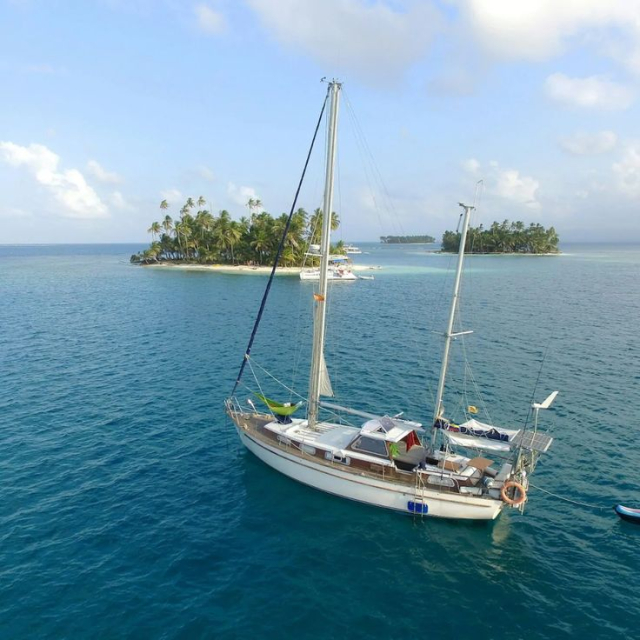
The most common voyages between Panama and Colombia are on single-hull sailboats or catamarans. These boats are typically equipped for groups of 8 to 15 passengers, with lounge areas, common areas, and a basic kitchen.
Shared sailboats : ideal for budget travelers. They usually include meals, crew, and stops in San Blas. They can be somewhat slower and sensitive to waves.
Catamarans : More stable and spacious, they're perfect for those who prioritize comfort. They're the preferred choice for groups or families.
Private yachts : for a luxurious experience. They can be chartered from Panama City or even from Cartagena for return trips.
In all cases, it's essential to choose registered vessels with licensed captains and good references. Platforms like yate.co They offer safe and personalized options for renting boats in Cartagena and other Colombian destinations.
Documentation and immigration requirements
To legally cross from Panama to Colombia by sea, you must meet certain immigration requirements:
Valid passport with at least six months before its expiration.
Visa , if your nationality requires one to enter Colombia.
Maritime Entry Form , provided by the immigration authority.
Sailing permit issued by the Panama Maritime Authority.
Entry certificate that must be stamped at the Colombian port of arrival (Cartagena, Santa Marta or other authorized port).
In the case of own vessels, the following are also required:
Ship's registration
Liability insurance
Crew list
Navigation plan
We recommend coordinating in advance with local authorities in both countries and hiring a shipping agent or advisor to facilitate the process.
You may also be interested in: Sailing from Cartagena to Santa Marta
Duration of the crossing and main routes
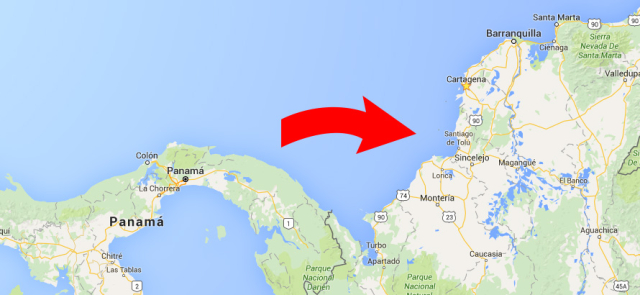
The average sailing time from Panama to Colombia ranges from 4 to 6 days. Most routes include 3 nights in the San Blas Archipelago, allowing you to enjoy its natural beauty and indigenous culture.
The classic route starts in Puerto Lindo, Panama, and ends in Cartagena. Another less common option is to go to Santa Marta or even Cabo de la Vela, for those looking for a longer and more remote trip.
The Caribbean Sea in this region can be unpredictable. Therefore, it's important to consider weather conditions (especially during the rainy season from May to November) and choose boats with proven experience in the area.
Supplies and preparations for navigation
Since this is a multi-day sea voyage, proper preparation is essential. Although many vessels offer all-inclusive service, here are some essential items:
Lightweight, waterproof, quick-drying clothing
Sunscreen, hat, and sunglasses
Insect repellent
Reusable water bottle
Personal snacks
Personal and motion sickness medications
Biodegradable toiletry kit
Printed and digital documents
If you're traveling on your own boat, you'll also need to bring sufficient fuel, up-to-date nautical charts, communication devices, and basic repair tools.
You may also be interested in: Sailing from Cartagena to San Andrés by yacht
Most frequent ports of arrival in Colombia
The most common maritime entry points from Panama to Colombia are:
Cartagena : an international port with all immigration services, secure marinas, and extensive tourist infrastructure. It is the preferred destination for most commercial sailing vessels.
Santa Marta : an excellent option for those who want to explore Tayrona Park and the Magdalena coffee region.
Capurganá or Sapzurro : accessible from Darién, but with limited services. Used primarily by small boats or alternative routes.
Each port has its own protocols, and it's essential to notify them in advance of your arrival to avoid any setbacks.
Frequently asked questions about sailing from Panama to Colombia
What is the best time of year to do this route?
From December to April, when the weather is drier and the Caribbean Sea is more stable.
Can you bring a pet on board?
It depends on the vessel. Check with the operator beforehand. Some allow pets if they're vaccinated and well cared for.
How much does a shared sailing trip from Panama to Colombia cost?
Between USD 450 and 650 per person, depending on the vessel, duration, and included services.
Is there internet connection during the trip?
Generally, no. It's recommended to download offline maps and notify family members before setting sail.
Is it necessary to have sailing experience?
Not for shared trips. Yes for private boats, where a license and nautical knowledge are required.
We invite you to take a look at other articles at: https://yate.co/en/blog