

Guide to renting the ideal boat for your sailing needs
Renting a boat can offer you the freedom to enjoy the sea without the responsibilities and costs associated with ownership. However, selecting the right boat can be a challenge, as there are numerous types, each suited to different needs and boating styles. This comprehensive guide will help you choose the ideal boat for your rental, considering all the crucial aspects to ensure a perfect experience on the water.
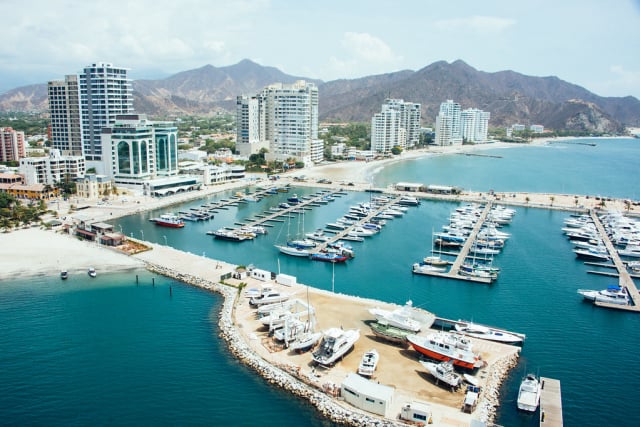
You may also be interested in: Santa Marta International Marina .
1. Define the main use of the vessel
The first step in renting the right boat is to have a clear idea of what you'll be using it for. This will allow you to focus on the types of boats that best suit your specific needs.
1.1 Walks and general recreation
If you're looking to enjoy a day on the water with recreational activities like swimming, fishing, or just relaxing, consider the following options:
- Motorboats: These are versatile, with enough space for recreational activities and comfort for a day of sailing. You can choose between open models or those with a small cabin.
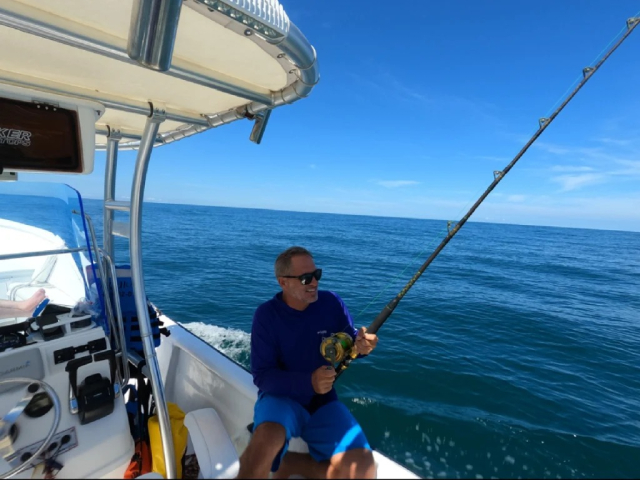
- Fishing boats: Equipped with specific features such as rod holders and work areas, ideal for a more focused and comfortable fishing experience.
1.2 Water sports and adventure
For water sports enthusiasts or those seeking adventure, you'll need a boat suitable for more dynamic activities:
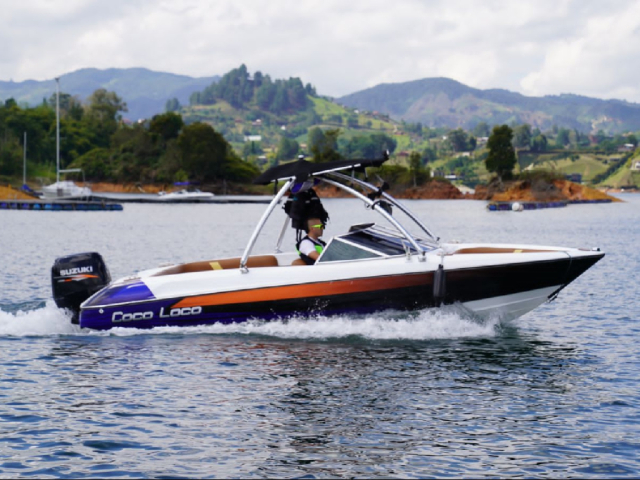
- Sport boats: Designed for high speed and maneuverability, these boats are perfect for water skiing, wakeboarding, and other water activities. Their designs often include storage areas for gear and comfortable seating.
1.3 Relaxing sailing and coastal exploration
For those who want to explore coasts and coves, or simply enjoy a relaxing day on the water:
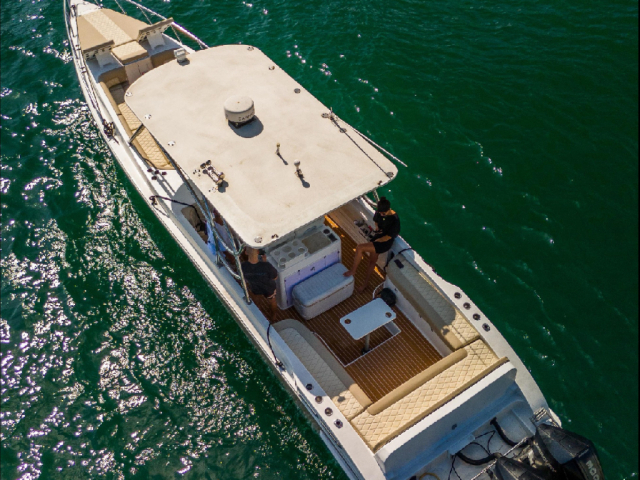
- Motor yachts: Although more luxurious, motor yachts can also be adapted for leisurely cruises. Their space and comfort allow for a full day without the need for quick returns.
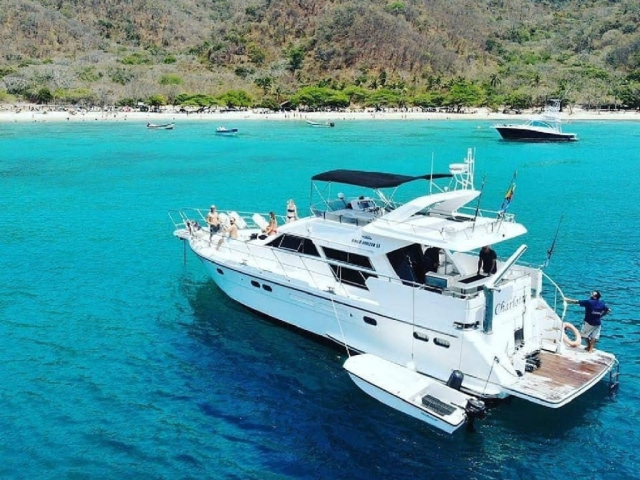
You may also be interested in: Renting a yacht in Santa Marta
- Catamarans: Known for their stability and spaciousness, they are perfect for families or groups looking for comfort and space to enjoy sailing.
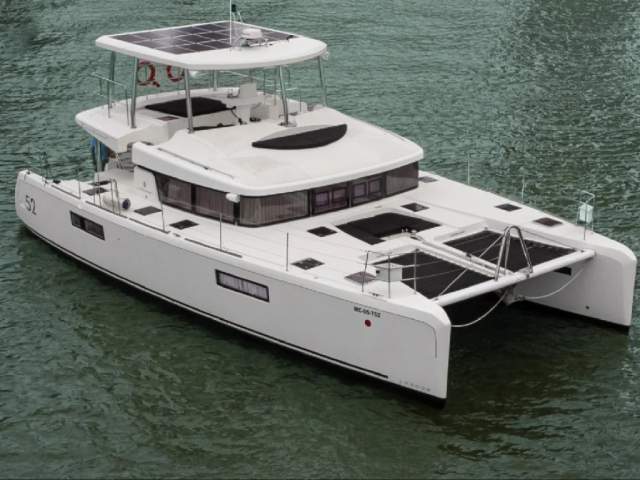
You may also be interested in: All about Catamarans
2. Evaluate the size and capacity of the vessel
The size of the boat should be in line with the number of people you plan to take and the activities you will be doing. Here are some recommendations:
2.1 Small boats (up to 20 feet)
- Advantages: Lower rental costs, ease of operation, and lower fuel consumption. Suitable for small groups and activities in indoor or quiet areas.
- Common uses: Short walks, recreational fishing, water sports such as water skiing and wakeboarding.
2.2 Medium boats (20-40 feet)
- Advantages: They offer more space for comfort and storage. Ideal for activities that require more space or for half-day or full-day trips.
- Common uses: Family excursions, beach trips, exploring nearby coves.
2.3 Large vessels (over 40 feet)
- Advantages: Space and comfort for large groups. Although yachts typically offer more luxury, larger vessels can also be very comfortable and suitable for meetings and special events.
- Common uses: Water parties, special events, or long trips within the same region.
3. Choose the type of boat
Each type of boat has specific characteristics that adapt to different needs and preferences. Here we explore the main types:
3.1 Motorboats
- Features: Typically equipped with powerful engines, space for recreational activities, and storage for gear. Models can range from center console boats to cabin boats.
- Advantages: Versatility and adaptability to a variety of activities, from leisurely strolls to water sports.
3.2 Fishing boats
- Features: Designed specifically for fishing, with rod holders, work areas, and space for fishing gear. Some models include small cabins for resting.
- Advantages: Specialized in fishing, with features that facilitate the capture and storage of fish.
3.3 Sailboats
- Features: Wind-driven, they offer a smooth and efficient sailing experience. Available in a variety of sizes and configurations, from small models to large racing sailboats.
- Advantages: Eco-friendly and relaxing sailing, with no fuel required. Ideal for those who enjoy the art of sailing and the tranquility of the water.
3.4 Jet boats
- Features: Equipped with high-powered engines and a structure designed for rapid maneuvering. Its design allows for quick turns and an exciting experience on the water.
- Advantages: High speed and maneuverability, ideal for those seeking excitement and adrenaline in the water.
3.5 Catamarans
- Features: Twin-hulled boats, offering great stability and spaciousness. Equipped with plenty of space for living and enjoying time on the water, they're ideal for families or large groups.
- Advantages: Superior stability and ample space for activities and rest, comfortable for extended trips in coastal areas.
4. Check the condition and equipment of the boat
Before confirming your rental, it's essential to ensure the boat is in good condition and has the necessary equipment for your safety and comfort.
4.1 Ship Inspection
- General Condition: Check the condition of the hull, engine, and onboard systems. Look for any signs of damage, wear, or potential problems.
- Safety Equipment: Make sure the boat has life jackets, flares, lifebuoys, and a working emergency communication system.
4.2 Additional equipment
- Amenities: Check if the boat has all the amenities you need, such as a kitchen, bathroom, air conditioning, and entertainment systems.
- Navigation Equipment: Verify that navigation equipment, such as GPS, radar, and radios, is working properly.
5. Understand rental policies and additional costs
Understanding all the details of the rental policy and additional costs will help you avoid surprises and ensure a smooth experience.
5.1 Rental Policy
- Duration and availability: Make sure the boat is available on your desired dates. Ask about hourly, daily, or weekly rental options and any usage restrictions.
- Deposit and Insurance: Check the required deposit amount and whether insurance is included in the rental. Make sure you understand what the insurance covers and what it doesn't.
5.2 Additional costs
- Fuel: Check whether fuel costs are included in the rental or if they must be covered separately. Ask about the fuel tank refill policy when you return the boat.
- Maintenance and Cleaning: Check if there are additional fees for maintenance or cleaning after use. Some companies charge additional fees for washing or general wear and tear.
6. Preparation and training
Being well prepared for your day on the water is crucial to ensuring a safe and enjoyable experience.
6.1 Training and experience
- Boating Skills: Make sure you have the necessary experience to operate the boat. Some rental companies offer training sessions for those unfamiliar with the type of boat.
- Legal Requirements: Familiarize yourself with the legal requirements for operating the boat in your area, such as licenses and permits. Make sure you comply with all local regulations.
6.2 Provision and planning
- Supplies: Bring all necessary supplies with you, such as food, drinks, sunscreen, and personal safety equipment. Make sure you have enough water and supplies for the time you plan to be on the water.
- Trip Planning: Plan your route and consider weather conditions. Consult with the rental company about best practices and areas to avoid. Make sure you know the location of emergency exit points and escape routes.
7. Inspection and return of the boat
At the end of your rental, it's important to follow the return procedures to avoid additional charges.
7.1 Final Inspection
- Vessel Condition: Conduct a final inspection with the supplier to ensure there is no additional damage. Document any pre-existing damage before leaving to avoid misunderstandings.
- Cleaning and Delivery: Clean the boat according to the supplier's instructions. Some companies have specific requirements regarding interior and exterior cleaning.
7.2 Troubleshooting
- Additional costs: If there are additional charges for damages or cleaning, discuss them with the provider. Make sure you understand all costs before signing any final documents.
8. Additional tips for a successful rental experience
8.1 Research and compare
- Compare prices and services: Don't limit yourself to just one option. Compare prices, included services, and the reputation of different rental providers to get the best deal.
- Read reviews: Research the rental company and read reviews from other customers to get an idea of the quality of service.
8.2 Safety first
- Personal Safety: Always wear life jackets and follow the safety instructions provided by the rental company.
- Weather conditions: Check the weather forecast before sailing and adjust your plans accordingly. Avoid sailing in adverse weather conditions.
8.3 Enjoy and respect the environment
- Enjoy the trip: Make the most of your time on the water, but also be sure to respect the marine environment and follow navigation rules.
- Respect the environment: Avoid water pollution and follow responsible boating practices to protect marine life and ecosystems.
9. Conclusion: Making the Right Choice for a Successful Rental
Renting the right boat requires careful planning and a clear understanding of your needs and expectations. From selecting the boat type to the final inspection and return, every step is crucial to ensuring a safe and enjoyable experience on the water. By following this comprehensive guide, you'll be well prepared to choose the ideal boat for your next nautical adventure.
Remember that a well-informed choice not only optimizes your enjoyment, but also ensures a safe and trouble-free experience on the water. Enjoy your time on the water and ride with confidence!
We invite you to take a look at other articles at: https://yate.co/en/blog